








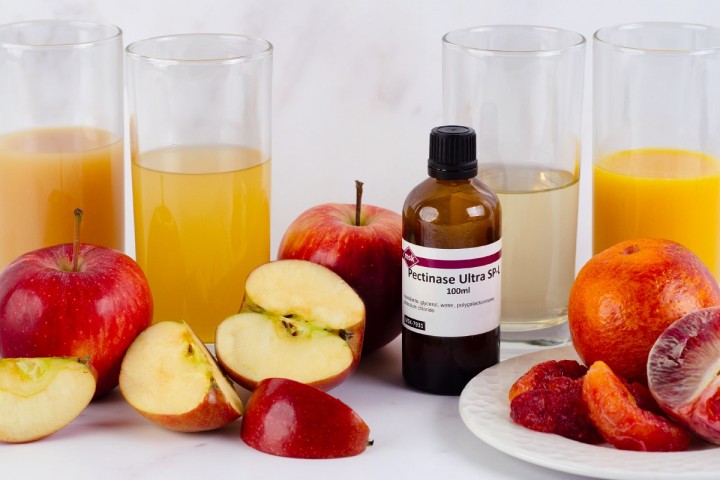
Pectinases are a group of enzymes that break down Pectin and are crucial for the degradation of plant materials. In modern-day culinary & mixology arts, this translates to juice extraction and clarification, wine making and even fruit peeling.
Pectin vs Pectinase
Pectin is a fibre found in fruit and vegetables; it’s the glue that holds the cell walls together.
The richest sources are citrus fruits such as oranges, lemons and limes, as well as apples, plums, quince and passion fruit. Think the peel, pith and skin – pectin’s a main component in these structures.
The amount of pectin depends on the ripeness of the fruit. Slightly underripe fruits have the highest pectin levels, and as the fruit continues to ripen, these levels decrease.
Commercially, pectin can come in either powder, liquid or even frozen form and is often made from apples or citrus peels. It’s usually used in food production and home cooking as a thickener in foods such as jam, but can also be added to flavoured milk or drinkable yoghurt as a stabiliser.
What is Pectinase?
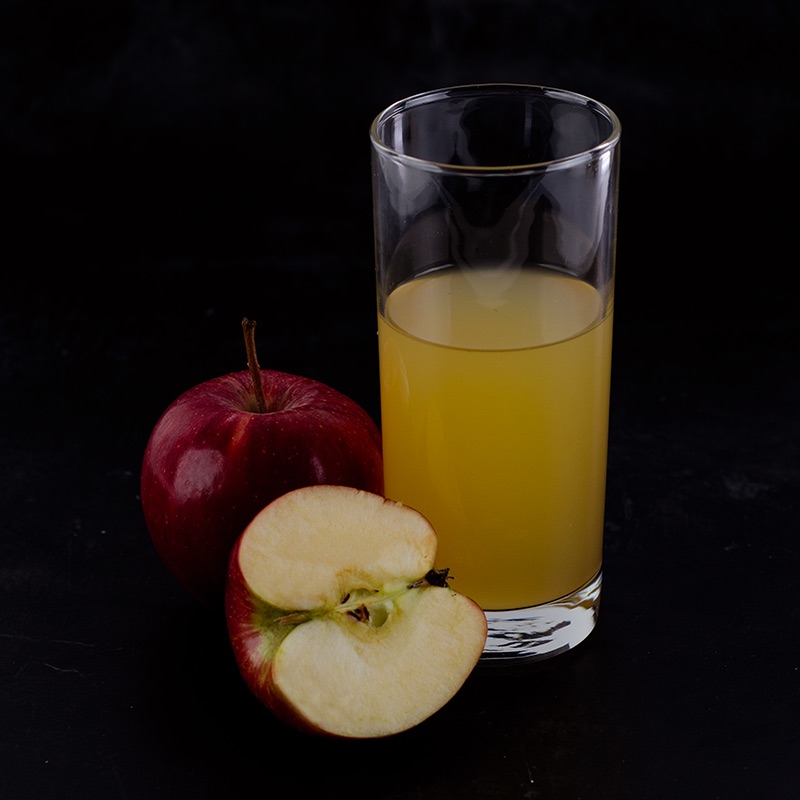
With pectin helping a ripening fruit hold its shape, once overripe, pectinase is the enzyme produced to break pectin down into simple sugars, causing the fruit to soften. If pectin is a glue, pectinase is a dissolver.
Pectinase is naturally produced by different plants (if a plant produces pectin, it will also naturally produce pectinase), insects, bacteria and yeasts. Humans and animals can’t produce pectinase. Pectin must travel to the large intestine to be fermented by gut bacteria that can produce pectinase to break down the pectin into beneficial metabolites.
Commercial Pectinase Production
For commercial use, the enzyme is commonly extracted from fungi as they contain high levels to break down plants and extract nutrients, playing their crucial role in decomposition and nutrient recycling in nature.
The Aspergillus and Penicillium species are the dominant sources for pectinase production worldwide. They can secrete large amounts of various extracellular pectinase types (such as polygalacturonase, pectin lyase, and pectin esterase), making them highly valuable. These species account for roughly 50% of the market.
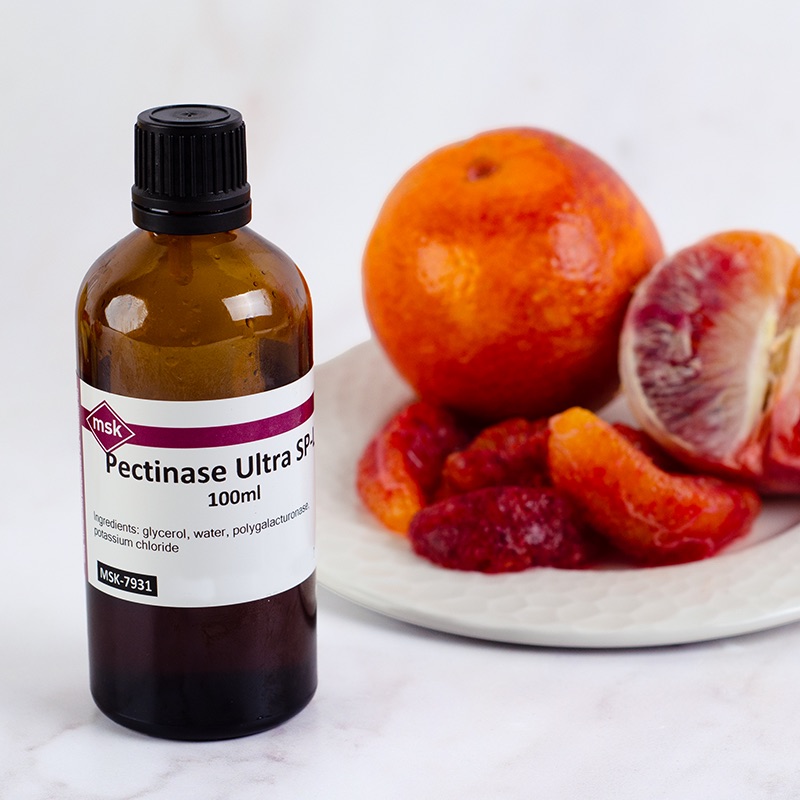
You may see pectinase referred to or packaged as Pectinex, Pectinaze or even our very own Pectinase Ultra SP-L. These are simply brand names of a particular pectinase formulation using a mixture of several pectinase types.
Pectinase Culinary & Mixology Uses
Enzyme Liquification, Clarification & Extraction
In gastronomy, pectinase is an integral tool, especially when it comes to liquefaction, clarification and juice extraction.
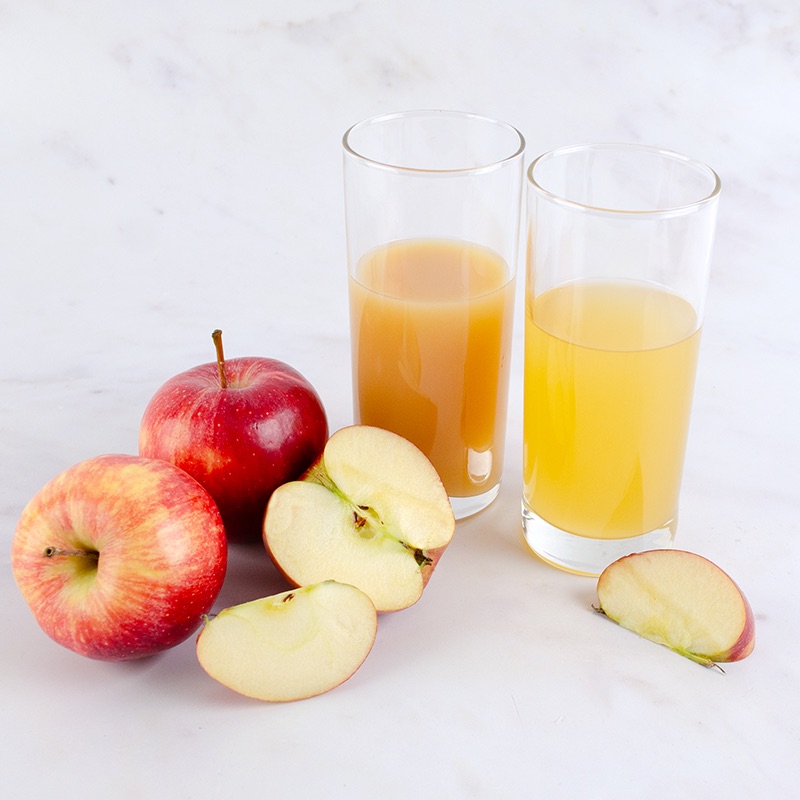
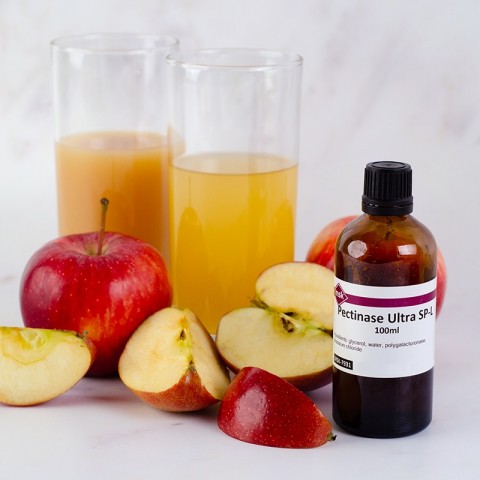
Enzymatic juice extraction was introduced commercially in the 1930s, primarily using pectinases to clarify apple juice. Compared to the traditional pressing and filtering methods, the hastened breakdown of cell walls using pectinase dramatically increased juice yields with more efficiency, reducing costs and waste. With the enzyme able to soften parts of the fruit normally discarded, like tough skin or pineapple core, the entire product can be used, and on a wider view, juice can be drawn from produce that previously wasn’t viable.
But it’s not just crucial for speed and volume of production; it can be used to improve quality, too. For plant-based liquids such as wines, the addition of pectinase, before the introduction of yeast, can remove cloudiness caused by suspended pectin particles, improving clarity. Though visually appealing, this process also increases the stability of the wine compared to untreated wines.
Food texture
When it comes to textural modification in food, pectinase is a valued tool. By breaking down the pectins, pectinase can give fruits and vegetables that soft, ‘cooked’ texture without the produce ever coming near heat. This allows the preservation of colour, flavour and retention of nutrients.
Within purees, the addition of the enzyme allows for control in consistency. By reducing unwanted viscosity, a thick jelly can be transformed into a thin, easy-to-handle puree.
Experimentation with texture can also come into play alongside dehydration. By treating fruit such as strawberries or apples with pectinase before dehydrating, they release trapped water and sugars, which often creates a firm exterior with a creamy interior.
Enzymatic peeling
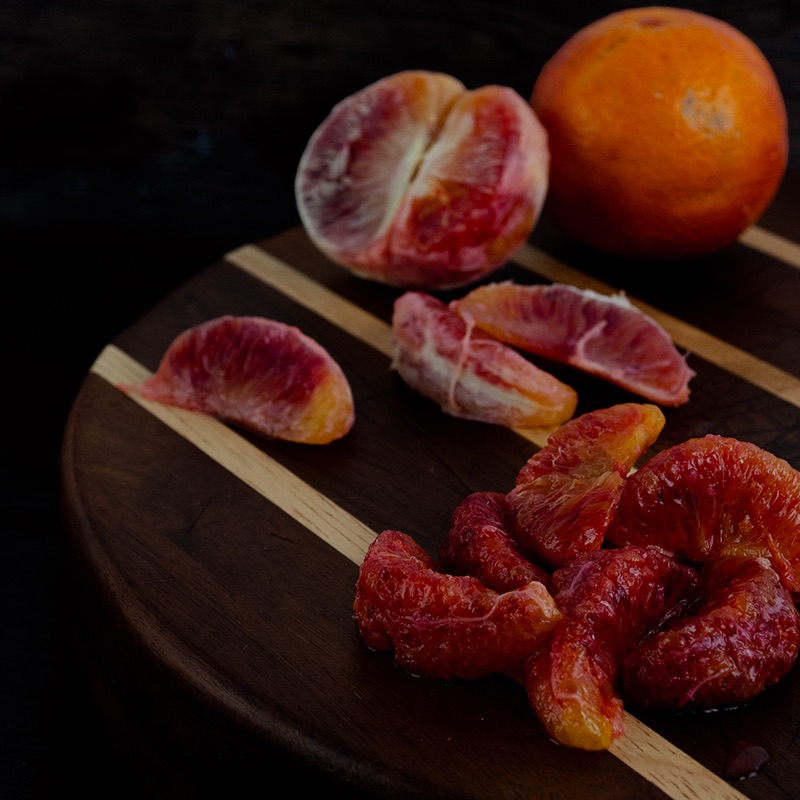
Another task pectinase has streamlined in the kitchen is steam or alkali peeling. Enzymatic peeling can degrade the pith and membranes from citrus fruits, remove fine skins from stone fruits, and tough skin from legumes or vegetables. The results are a clean, residue-free ingredient that doesn’t lose out on any flavour.
Wider uses
Though the culinary world may be where pectinase enzymes thrive, they do have a few wider applications.
In paper making, adding pectinase enzymes to the pulp aids in the control of fines and fillers, leading to better overall paper quality and a greener, more cost-effective process.
Should you happen to find your shirt stained with fruit, berries or tomato sauce, pectinase can also be a valuable stain remover. By targeting the molecules, it’s able to tackle tough, naturally occurring marks and, being water-soluble, it’s easy to wash away. You’ll often find pectinase in eco-friendly or enzyme-based laundry products.
Optimal Conditions for Pectinase Activity
One of the biggest benefits of pectinase is that it facilitates reaction without being consumed itself. A single molecule of the enzyme can be a catalyst for an unlimited number of reactions, in theory. The only hold back is time; a drop of pectinase will have the same result as five, one drop would simply take longer.
As with all enzymes, pectinase has an optimum temperature and pH at which it’s most active. Pectinase typically prefers warm environments, activated at around 35°c to 55°c. They will work at room temperature; however, the warmth helps them to work faster and speed up the reaction, but there’s a balance, too hot at 60°c or above, the enzyme will die.
Conclusion
Enzymes are having their moment in the culinary and mixology world, and rightly so. They’re a powerful implement with a multitude of applications, and Pectinase is one key tool within that kit.
Related Products
Leave a Comment