






While citrus juices have been a cornerstone of cocktail making for centuries, the role of pure acids behind the bar is a far more recent area of exploration. Acids do far more than simply make a drink sour. They provide structure, balance sweetness, enhance fruit character, and help create the brightness and refreshment that define great cocktails.
For bartenders, acids offer a level of control that fresh citrus alone cannot. By working with individual acids, it's possible to shape the style of acidity within a drink, whether that's the sharp brightness of lemon, the tartness of green apple, or the drier acidity associated with wine grapes.
Understanding how different acids behave opens up new possibilities for recipe development, ingredient preparation, and consistency, making them one of the most valuable tools in the modern bar.
The Three Essential Bar Acids
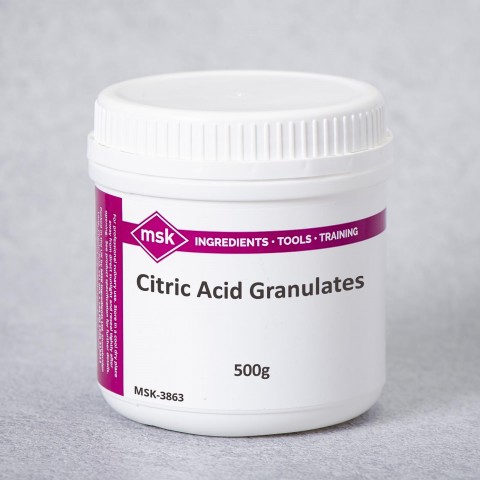
Citric acid - Most closely associated with citrus fruits, particularly lemons and limes, though it also occurs naturally in strawberries, raspberries, currants, pineapple, and tomatoes. It delivers a sharp, clean sourness that most drinkers immediately recognise as "citrus acidity". Because of this, citric acid is often used when recreating lemon or lime juice acidity, sharpening fruit-forward drinks, or maintaining consistency in cocktails, cordials and batched drinks.
Malic acid - The defining acid of orchard fruits such as apples and pears, and is also found in grapes, cherries, rhubarb, gooseberries, and many stone fruits. Compared to citric acid, malic acid provides a firmer, longer-lasting sourness often recognised as the tartness of green apples. It feels rounder and less sharp than citric acid, making it particularly useful when working with ingredients such as rhubarb, gooseberries and other tart fruits where its longer, rounded acidity feels more natural.
Tartaric acid - Most commonly associated with grapes and is one of the defining acids found in wine. Its acidity is drier and slightly more gripping in sourness than either citric or malic acid, making it particularly suited to aperitivo-style drinks, vermouth-inspired recipes and cocktails built around grape or fortified wine flavours.
Single Acid Solutions
An acid solution is simply an acid dissolved in water at a known concentration. Rather than adding lemon or lime juice directly to a drink, bartenders can use acid solutions to introduce acidity with precision while avoiding the flavour variability, oils, pulp, and additional dilution that fresh citrus can bring.
Acid solutions are not necessarily intended to replace citrus juice entirely. Instead, they provide another tool for balancing drinks, adjusting sweetness, recreating fruit acidity, and refining recipes during development.
Different concentrations serve different purposes. Lower-strength solutions are useful when larger volumes are required, while highly concentrated solutions allow acidity to be adjusted with just a few drops. Choosing the right strength depends on how the solution will be used within the final drink.
7% Acid Solution
A 7% acid solution closely mirrors the natural acidity found in many fresh fruit juices, making it an excellent starting point for balancing drinks. This recipe is ideal for citric acid to mirror the acid level of lemon juice without the need for fresh citrus or malic acid to keep the orchard fruit flavour at the centre.
7% Acid Solution Recipe
Ingredients
- 100g water
- 7g Citric OR Malic acid
Method
Heat the water to 80°C while placing the acid into a heatproof container.
Pour the hot water over the acid and stir until fully dissolved.
Allow to cool before bottling.
10% Acid Solution
A 10% acid solution provides a more pronounced acidity and is often used to fine-tune sours, adjust cordials and bring balance without adding extra juice. This ratio works for Citric, malic and tartaric acid. Tartaric acid is most commonly used at this strength to keep measurements easy to control. Tartaric acid is typically used in small amounts, so 10% allows bartenders to adjust drinks without the intensity becoming difficult to manage. Lower strengths are rarely needed, while higher concentrations are generally unnecessary, as tartaric can also be used neat when only a very small amount is required. We use a 10% Citric Acid solution in our Clarified Mango, Passion Fruit Sours Cocktail.
10% Acid Solution Recipe
Ingredients
- 100g water
- 10g Citric, Malic OR Tartaric acid
Method
Heat the water to 80°C while placing the acid into a heatproof container.
Pour the hot water over the acid and stir until fully dissolved.
Allow to cool before bottling.
35% Acid Solution
A 35% acid solution is a concentrated stock designed for precise adjustments with minimal dilution. At this strength, only a few drops are typically required to alter the balance of a drink, making it particularly useful during recipe development, batching, and final seasoning adjustments. Both citric and malic acid work exceptionally well in concentrated solutions, allowing bartenders to fine-tune sweetness and acidity without significantly affecting liquid volume.
35% Acid Solution Recipe
Ingredients
- 100g water
- 35g Citric OR Malic acid
Method
Heat the water to 80°C while placing the acid into a heatproof container.
Pour the hot water over the acid and stir until fully dissolved.
Allow to cool before bottling.
Mixed Acid Solutions
While single-acid solutions are useful, many fruits contain multiple acids naturally. Combining acids often produces a more complete and realistic fruit acidity than using a single acid alone.
The most common mixed acid solutions combine citric and malic acid, creating acidity that delivers both the sharp brightness of citrus and the longer, greener tartness associated with orchard fruits. These solutions are particularly useful when recreating citrus juices, balancing tropical fruit cocktails, adjusting cordials, and refining high-acid cocktail recipes.
10% Mixed Acid Solution
A 10% mixed acid solution combines acids such as citric and malic to create a fuller citrus-style acidity. The flavour delivers the sharp bite of citric acid together with the longer, green apple acidity of malic, giving drinks a more natural citrus structure than a single acid alone. Behind the bar, it is used when cocktails need stronger acidity to balance sweetness, particularly in drinks containing syrups, liqueurs or tropical fruits, and when adjusting juices to behave more like lemon or lime in sours and high-acid cocktails.
10% Mixed Acid Solution Recipe
Ingredients
- 100g water
- 6g Citric Acid
- 4g Malic Acid
Method
Heat the water to 80°C while placing the acid into a heatproof container.
Pour the hot water over the acid and stir until fully dissolved.
Allow to cool before bottling.
35% Mixed Acid Solution
A 35% mixed acid solution is a concentrated acid stock used when acidity needs to be added in very small amounts of liquid. Because the acids are blended, they give drinks a balanced citrus-style acidity while allowing precise adjustment with minimal dilution. Behind the bar, it is most useful when batching cocktails, adjusting cordials or syrups, or fine-tuning the balance of sweet drinks that need a clean lift of acidity. A great example of this recipe in use is in our Green Guava and Kiwi Highball.
35% Mixed Acid Solution Recipe
Ingredients
- 100g water
- 20g Citric Acid
- 15g Malic Acid
Method
Heat the water to 80°C while placing the acid into a heatproof container.
Pour the hot water over the acid and stir until fully dissolved.
Allow to cool before bottling.
Other Bar Acids
Lactic acid - Provides a soft, rounded acidity with a gentle yoghurt-like tang rather than the sharp sourness associated with other acids. Behind the bar, it is used when drinks need to be softened and rounded rather than sharpened. It works particularly well in milk punches, creamy or dessert-style cocktails, and drinks featuring coconut, coffee or chocolate where a smoother acidity improves balance. Because lactic acid is naturally associated with fermentation, it can also be used to enhance the subtle tang and complexity of fermented-style drinks such as kombucha or lacto-fermented fruit preparations. As MSK lactic acid is supplied as an 80% solution, bartenders typically dose it directly in very small amounts to adjust texture, balance and acidity without noticeably diluting the drink.
Ascorbic Acid - Also known as vitamin C, is a naturally occurring acid found in many fruits and vegetables. Unlike citric or malic acid, ascorbic acid contributes very little sourness but plays an important role in preserving freshness. Behind the bar, it is mainly used as an antioxidant, helping to slow the oxidation that causes fresh juices and fruit preparations to lose colour and flavour. A small amount can help keep citrus, apple, pear or other fruit juices tasting fresh when they are prepared in advance. Because its acidity is mild, ascorbic acid is rarely used to adjust the balance of a drink. Instead, it is used to protect ingredients, maintain colour and extend the usable life of fresh juices, purées and batched cocktail components.
Related Products

Leave a Comment