




Few biscuits carry as much story in every crumb as Speculoos. Though they may appear just a simple caramel-coloured treat, these biscuits are the product of centuries of festive tradition, spice trade and regional pride.
Speculaas Origins
Speculoos are thin, crisp biscuits celebrated for their warm blend of spices, typically cinnamon, nutmeg and cloves, and the deep caramel flavour created by brown sugar. Their origins stretch back to the Netherlands and Belgium during the Middle Ages. As exotic spices began flowing into Europe via expanding trade routes, they found their way into recipes for “Klaaskoeken” or “Saint Nicholas Cake”. This sweet, soft, bread-like pastry was eaten on December 6th to celebrate Sinterklaas Day and is considered the precursor to what we recognise today as Speculoos.
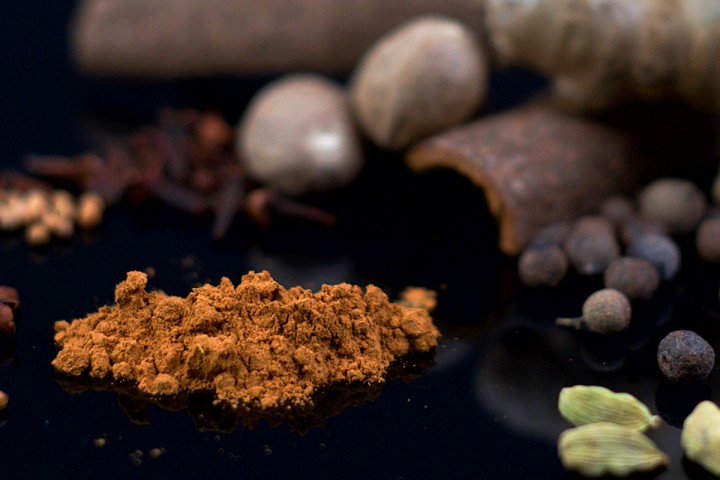
The 17th century marked a turning point. The Dutch East India Company held a monopoly on spice imports from Asia, meaning spices became more available and more affordable in the Netherlands. Bakers put this abundance to good use, incorporating more of these spices into their bakes, leading to the creation of Speculaas. Biscuits made with flour, brown sugar, butter and traditional Speculaas spices: cinnamon, cloves, nutmeg, ginger and cardamom. Each baker had their own spice blend, which could include a wider variety of spices, such as anise and coriander seeds.
Speculaas soon followed in the footsteps of Klaaskoeken and became a central part of Sinterklaas traditions. Bakers pressed the dough into carved wooden moulds, shaping it into the figure of Sinterklaas, complete with bishop’s robes and mitre, to create beautifully ornate biscuits. On the night of December 5th, children would place out their shoes by the fireplace and wake to find them filled with gifts and these special Speculaas biscuits, left for them by Sinterklaas during his visit.
Belgium's Speculoos
In Belgium, however, though the traditions were loved, spices remained expensive due to reliance on Dutch imports. By the early 20th century, Belgian bakers created their own variation. Reducing the quantities of spices, often opting for just cinnamon, they introduced caramelised sugar to enhance its flavour. They named this edition Speculoos, using “loos” to indicate the absence of the full speculaas spice blend.
Another commonly cited origin story credits a Belgian pâtissier named Antonie from Flanders, who reportedly registered a speculaas recipe in Hasselt in 1870, cementing the biscuit’s association with Belgium.
One of the oldest businesses producing the biscuit is Maison Dandoy, having been in business since 1828. Their speculoos recipe, “comes straight from our great-great-great-grandfather.” They continue to make their biscuits the traditional way, using real butter, brown sugar, and handcrafted wooden moulds, and now produce around 100 tonnes of speculoos every year.
The Worldwide Rise of Biscoff
Though once a Sinterklaas speciality, Speculoos is now a global, year-round favourite, and a major catalyst for its international popularity has been Lotus Bakeries. Beginning in Lembeke, Belgium, in 1932, founder Jan Boone Sr. began manufacturing his own version of the caramelised biscuit using ‘nothing but natural ingredients’ and taking the name “Lotus” after the flower that symbolises purity. This Speculoos recipe followed the Belgian style, lowering the amount of cinnamon and adding more butter to result in a lighter spice and more caramel-like taste with a softer texture that distinguished it from traditional speculaas.
Lotus biscuits' target was the hospitality industry, packaging their biscuits individually and marketing them as the perfect companion for coffee. The two complementary taste profiles worked well together to boost each other’s flavours, and it became a pairing that quickly captivated consumers. By the 1980s, Lotus had expanded into Asia, followed by the United States in the 1990s. Today, speculoos is found everywhere from chocolate bars to ice cream and the now-famous biscuit spread.
What's in a Name?
In 2020, Lotus caused outrage by abandoning the name “Speculoos” in favour of “Biscoff”, a combination of biscuit and coffee. They considered Speculoos too difficult for international audiences to pronounce and hoped the change would avoid confusion between Belgian Speculoos and Dutch Speculaas. The reaction was instant and fierce, #JeSuisSpeculoos started trending, Facebook group ‘Sauvons notre spéculoos!' (Save Our Speculoos!) emerged, many felt it was an erasure of heritage. The change went ahead, but not without an official response.
Pascal Smet, Brussels Secretary of State for Heritage at the time, formally recognised speculoos as part of Belgium’s cultural heritage, following requests from Maison Dandoy and non-profit Tartine et Boterham. "Speculoos is our heritage. You don't touch that… Now that a multinational has chosen to remove the word ‘speculoos’ from its packaging, it is even more important that this Brussels culinary heritage is valued and protected.” His statement reaffirmed not only the biscuit’s cultural significance but also the importance of supporting artisans and maintaining traditional practices.
From medieval spice routes to modern coffee bars, speculoos has travelled centuries. Whether shaped in a wooden mould, dipped into a hot espresso, or transformed into a spreadable confection, it remains a biscuit rooted in tradition yet endlessly adaptable.
If you’re feeling inspired to bring the flavours of this centuries-old treat into your own kitchen, our Speculoos Biscuit Spice Mix captures the classic blend, cinnamon, cloves, ginger, nutmeg, allspice, coriander seed, mace and cardamom, balanced to give any bake that unmistakable warmth. And if you’re ready to try baking speculoos yourself, we’ve shared our own Speculoos biscuit recipe paired with a seasonal clementine curd so you can recreate the magic at home.
Related Products


Leave a Comment